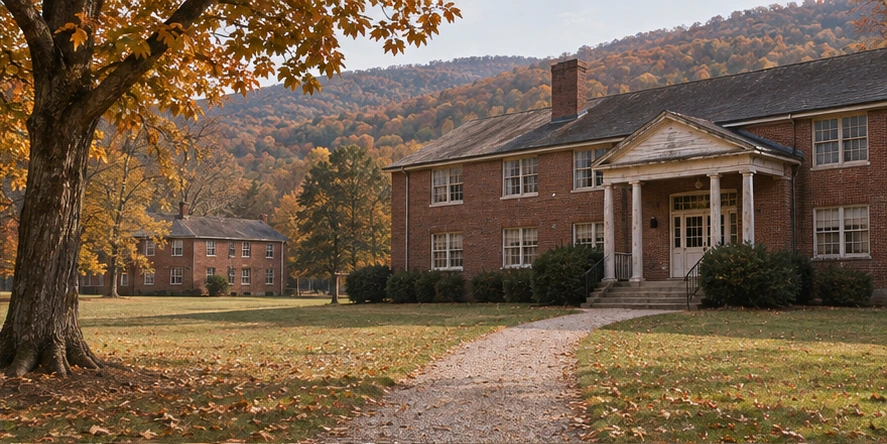
Boarding life in Kentucky.
Huang and his brother lived at Oneida Baptist Institute during their early years in America.
Read the context and source ↗From a Taiwanese childhood to the teams behind accelerated computing. A sourced portrait in thirteen chapters.
Enter the scrolling story ↓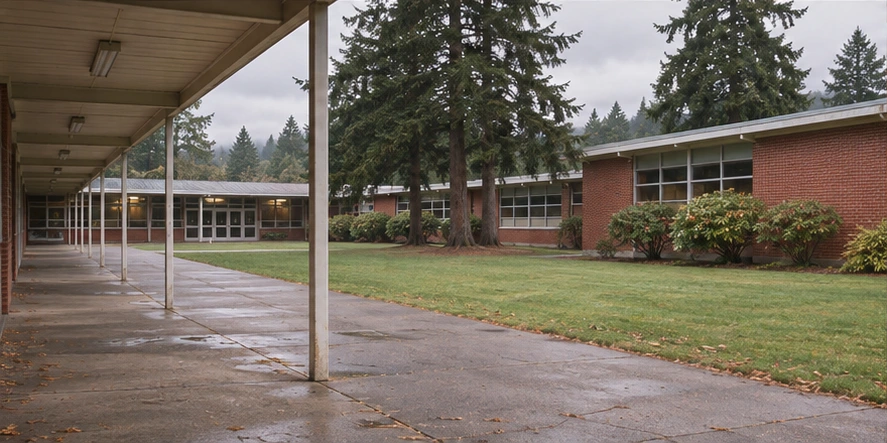

JENSEN HUANG / 1963–2025
 Scroll through a life ↘ARTISTIC RECONSTRUCTION





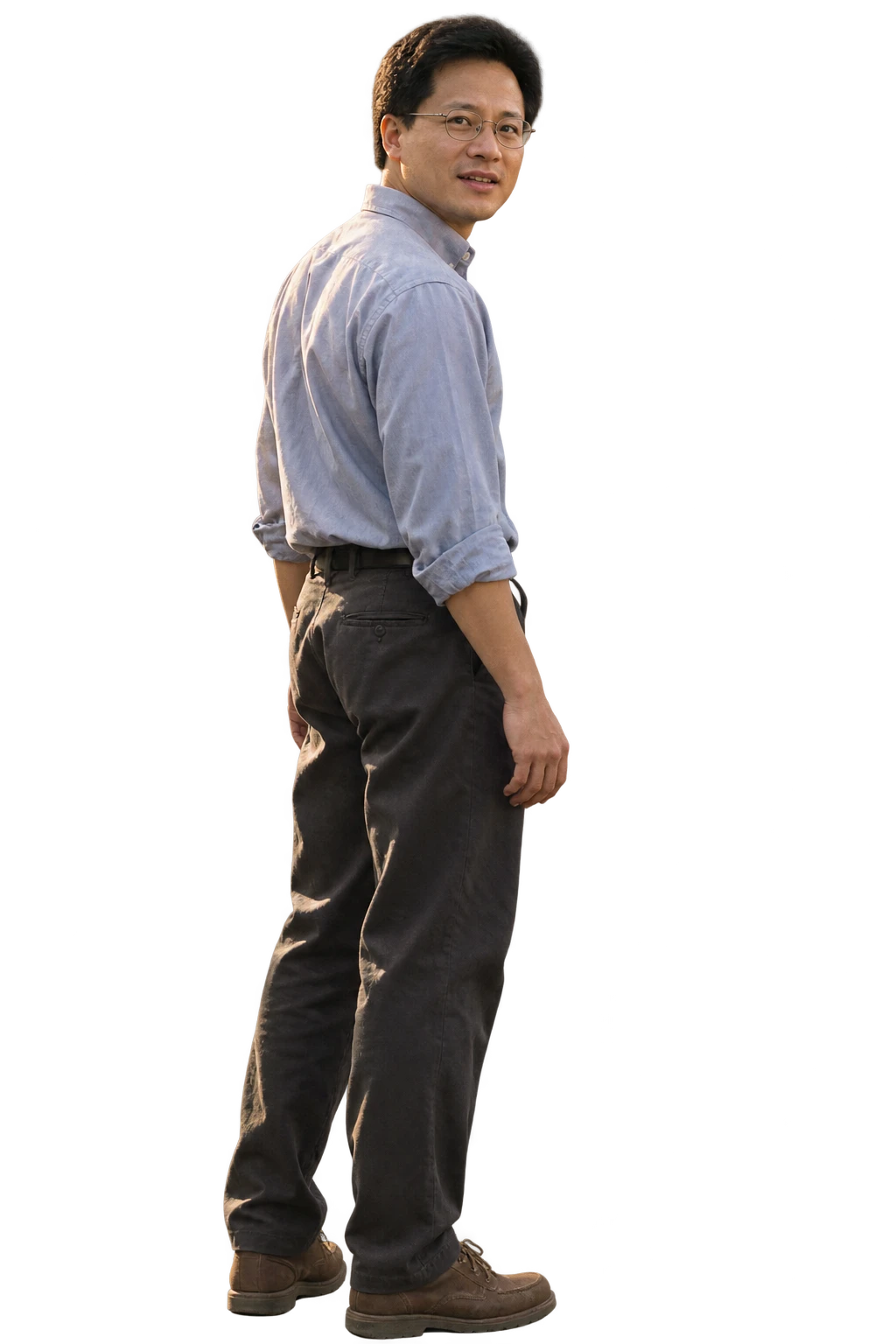
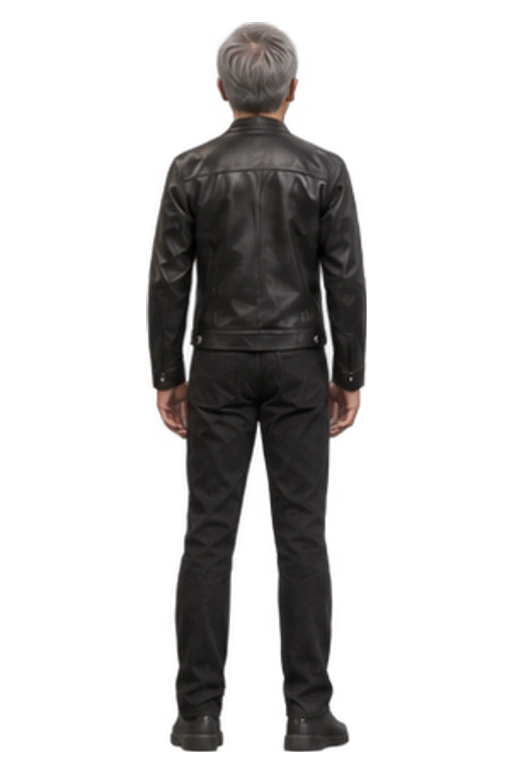
Jensen Huang. A story of curiosity,
conviction, and the people along the way.
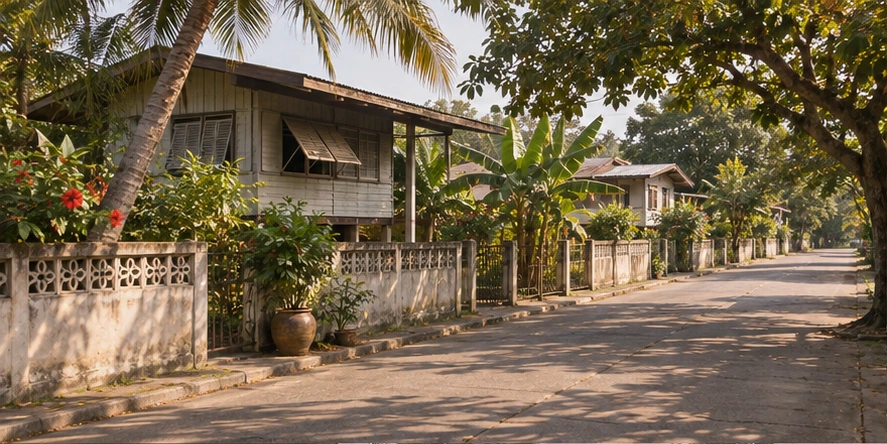
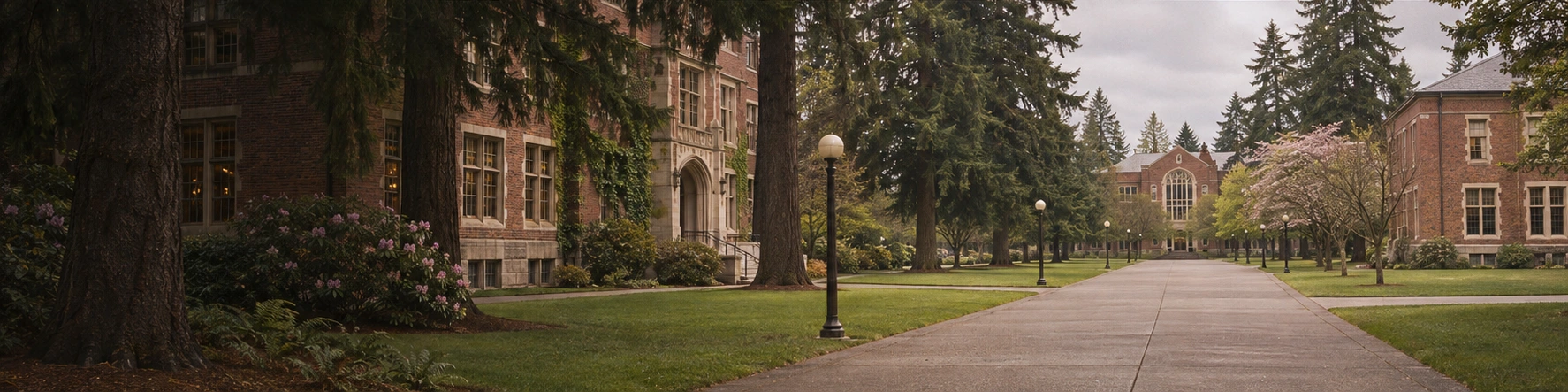
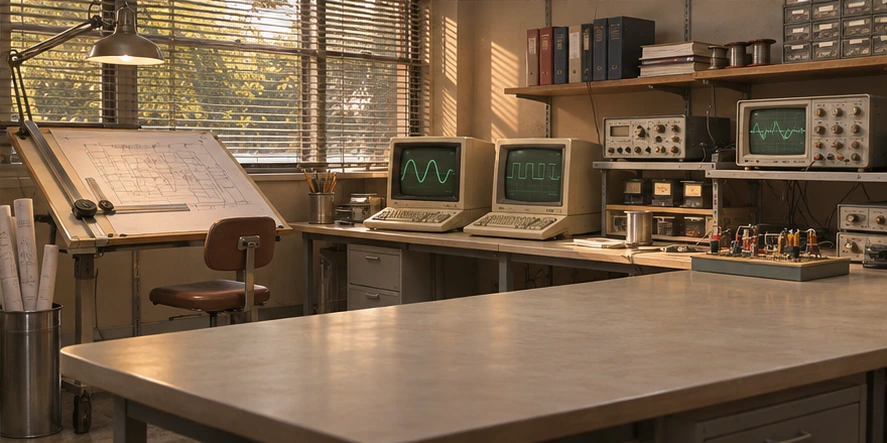
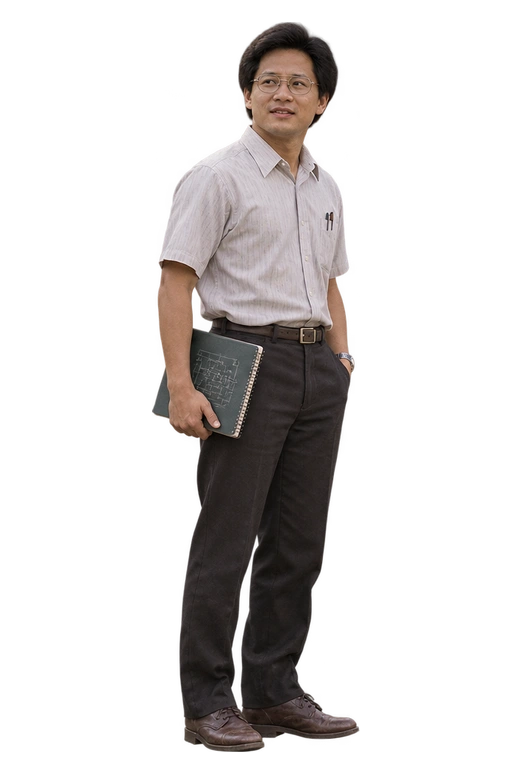
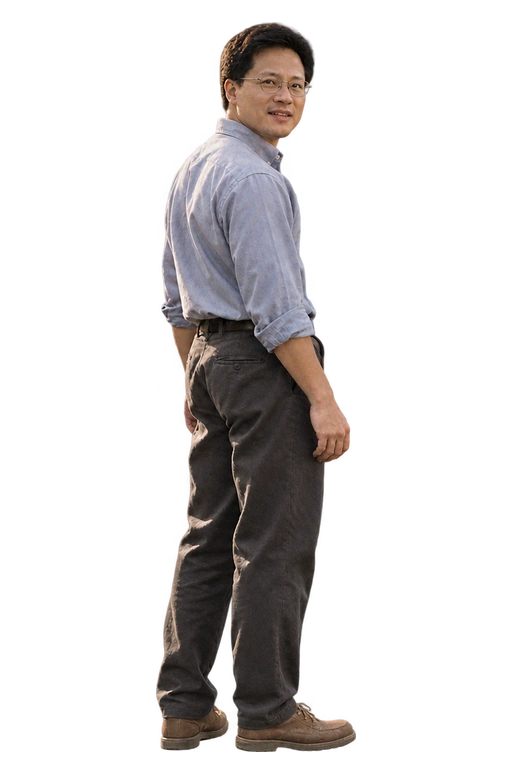
The visual story follows documented places and periods. The illustrations are reconstructions; the events below link to the historical record.
Huang and his brother lived at Oneida Baptist Institute during their early years in America.
Read the context and source ↗After rejoining his parents in Oregon, Huang attended Aloha High School and graduated at sixteen.
Read the context and source ↗At fifteen, he began working at Denny’s in the Portland area, washing dishes, clearing tables and serving customers.
Read the context and source ↗He earned his electrical-engineering bachelor’s degree at Oregon State in 1984, before beginning his semiconductor career.
Read the context and source ↗From 1984 to 1985, Huang worked as a microprocessor designer at Advanced Micro Devices.
Read the context and source ↗Between 1985 and 1993, Huang held several roles at LSI Logic.
Read the context and source ↗Huang completed his Stanford master’s degree in electrical engineering. The next chapter would be entrepreneurial.
Read the context and source ↗A company is built by many people. These moments connect Huang’s leadership with the research, engineering and partnerships around it.
Jensen Huang, Chris Malachowsky and Curtis Priem founded NVIDIA on April 5, 1993, pursuing 3D graphics for games and multimedia.
Read the context ↗CUDA opened NVIDIA GPUs to a broader range of parallel-computing applications.
Read the context ↗AlexNet demonstrated a major advance in image classification using GPU-trained deep learning.
Read the context ↗At GTC 2024, Huang presented Blackwell and rack-scale systems for an increasingly demanding AI workload.
Read the context ↗Graphics. Scientific computing. Artificial intelligence. Explore what changed—and why progress is always a shared effort.
Explore the impact ↗From a silicon design to a useful AI service: follow the people, materials, systems and software that make accelerated computing possible.
One founder. Generations of engineers.
A world of interdependent ideas.
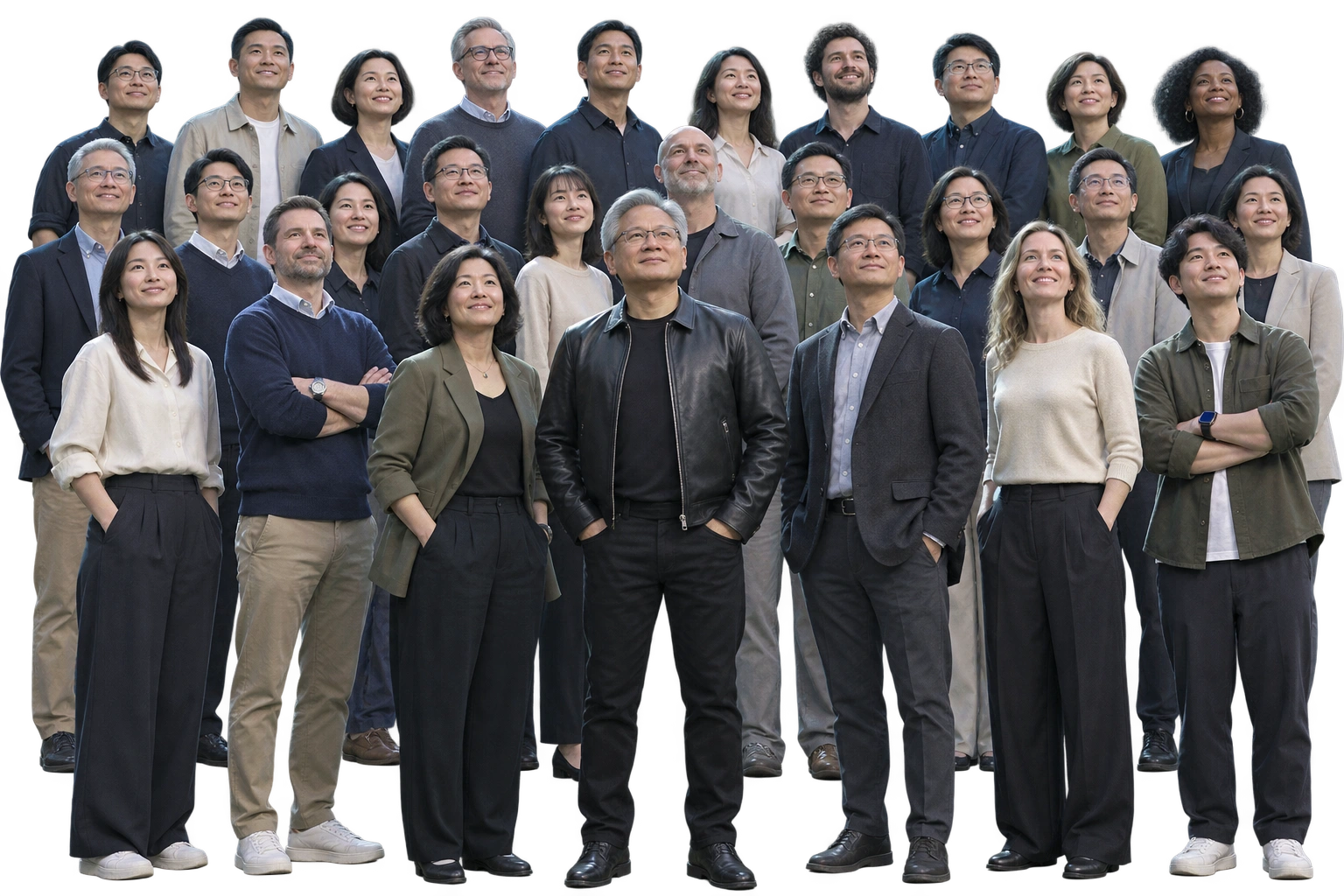
What will we choose to build together?
ARTISTIC COMPOSITE · ANONYMOUS COLLABORATORS · EDITORIAL OUTLOOK
The historical biography ends in 2025. This outlook asks what follows from the technologies and dependencies documented in this atlas; it does not claim future events, promised products or guaranteed outcomes.
As models and services grow, memory, networking, power and cooling matter alongside processors. How can useful capability grow without treating energy and resources as unlimited?
Explore the dependencies ↗Digital twins and robotics connect computation to physical settings. What must be tested before a convincing simulation becomes a dependable real-world system?
Read the platform guide ↗Foundries, designers, researchers, developers and users all shape the result. Access, skills, safety and accountability deserve a place beside the next performance milestone.
Consider the wider impact ↗Documentary photographs, dated and credited. Follow the encounters beyond the keynote stage.
Open the photographic journal ↗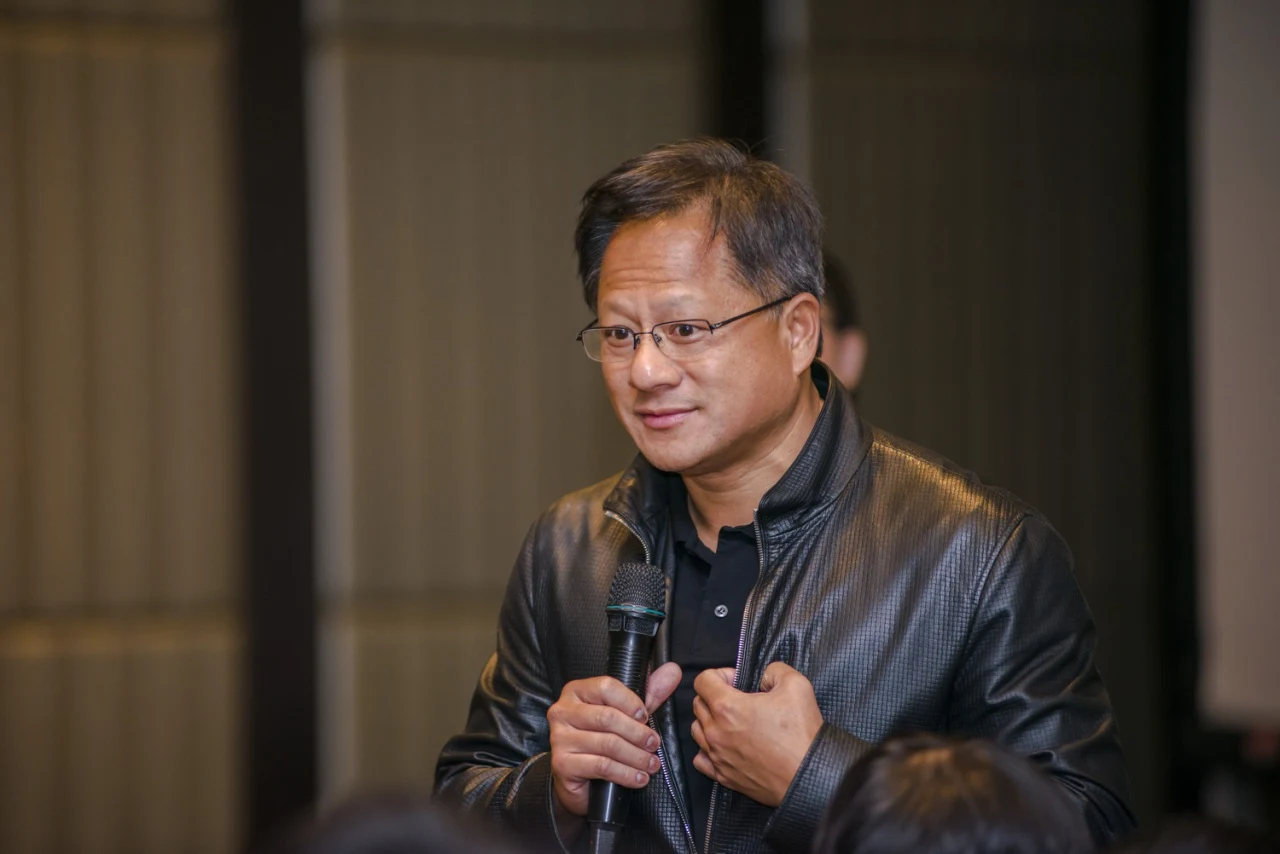 2016 / DOCUMENTARYAt the microphone ↗
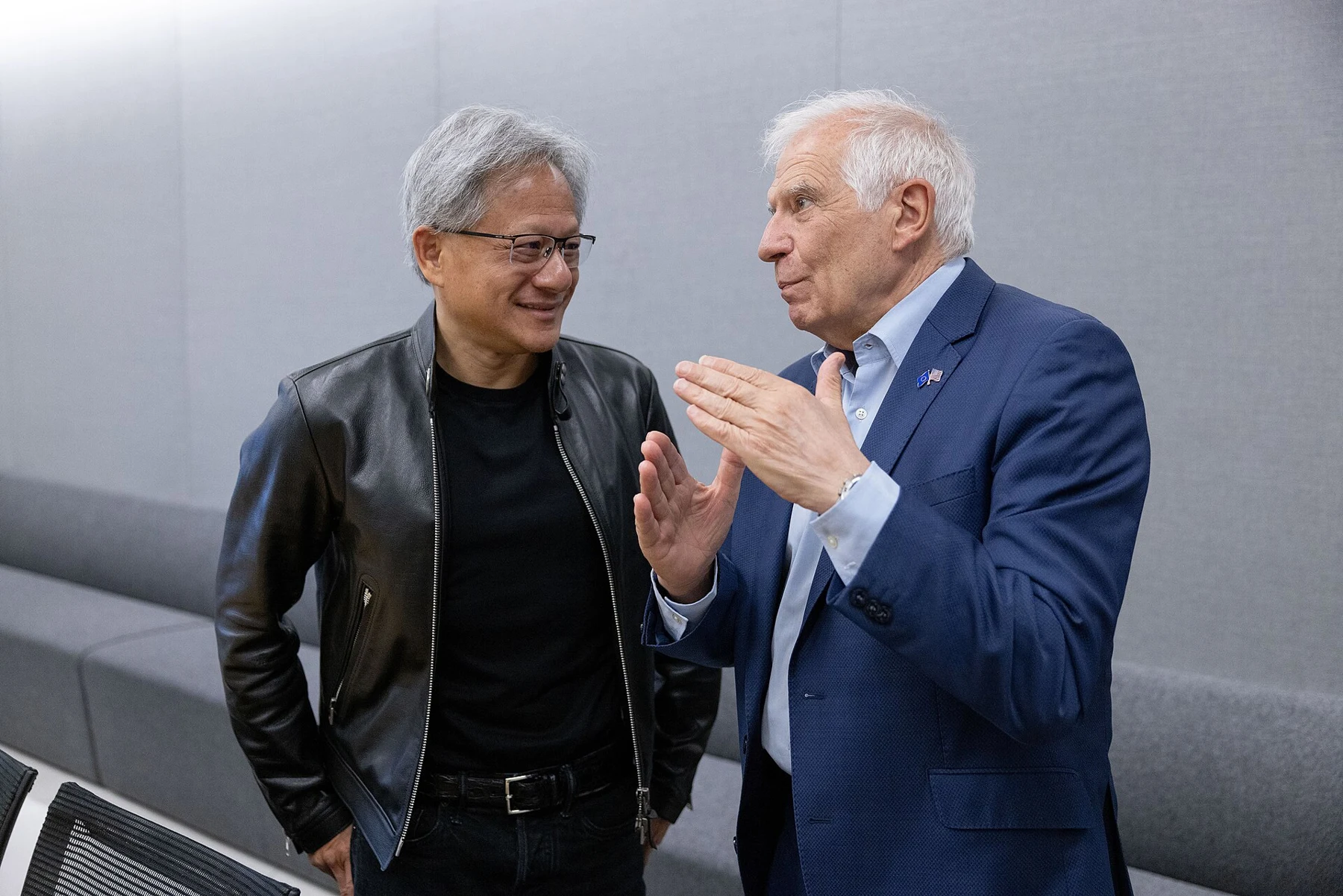 2024 / DOCUMENTARYAcross disciplines ↗
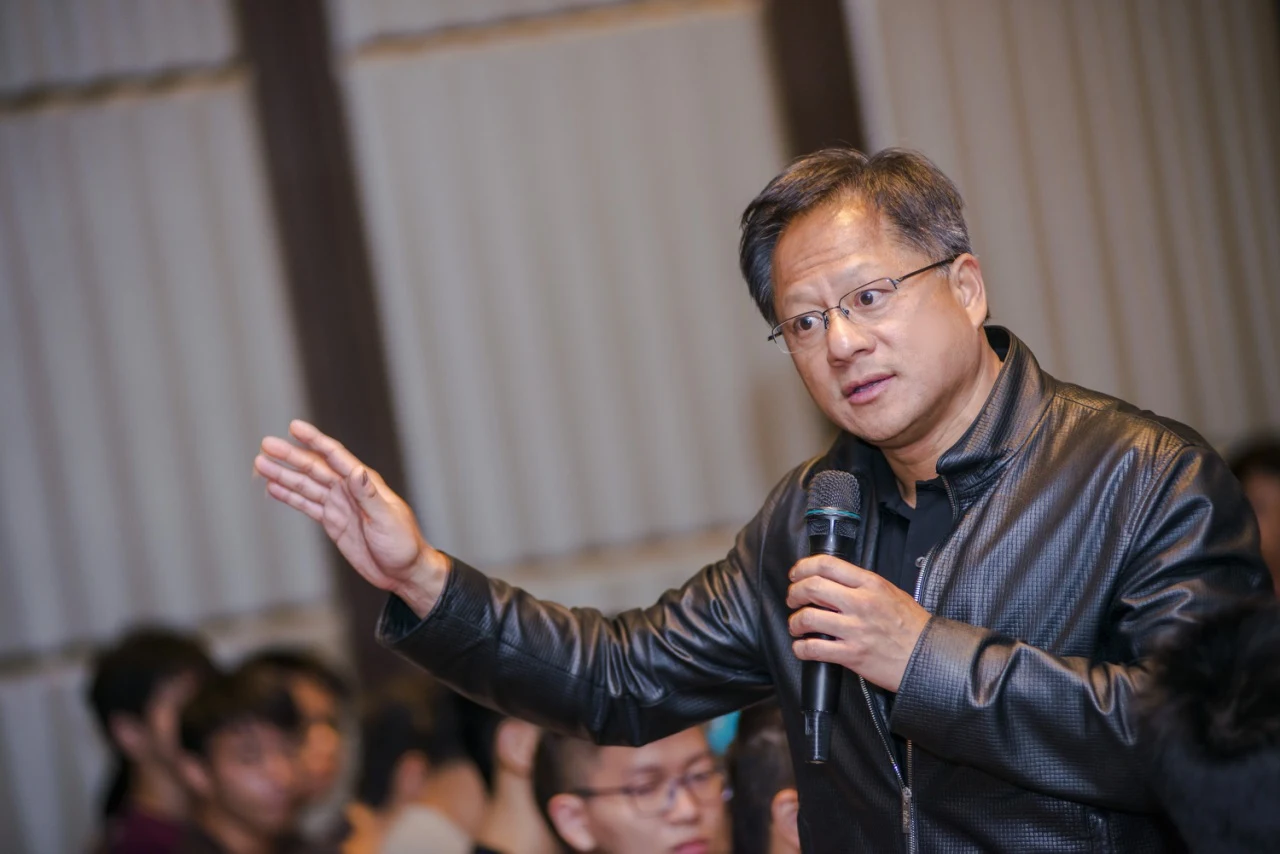 2016 / DOCUMENTARYA public presentation ↗
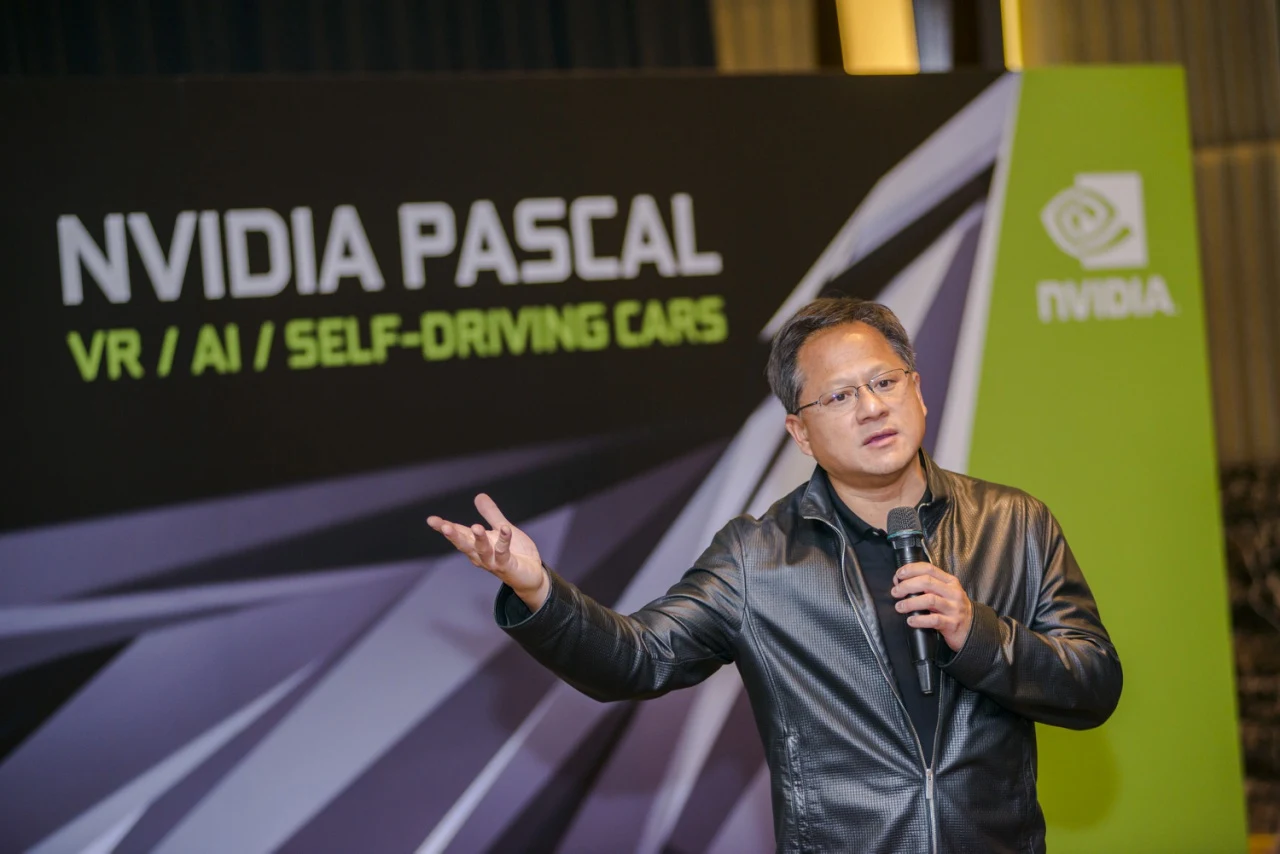 2016 / DOCUMENTARYThe room around him ↗08 / CONNECTED STAGESNo one